The Real Future of the Office Is Personal!
2 min read982 views
2 min read982 views
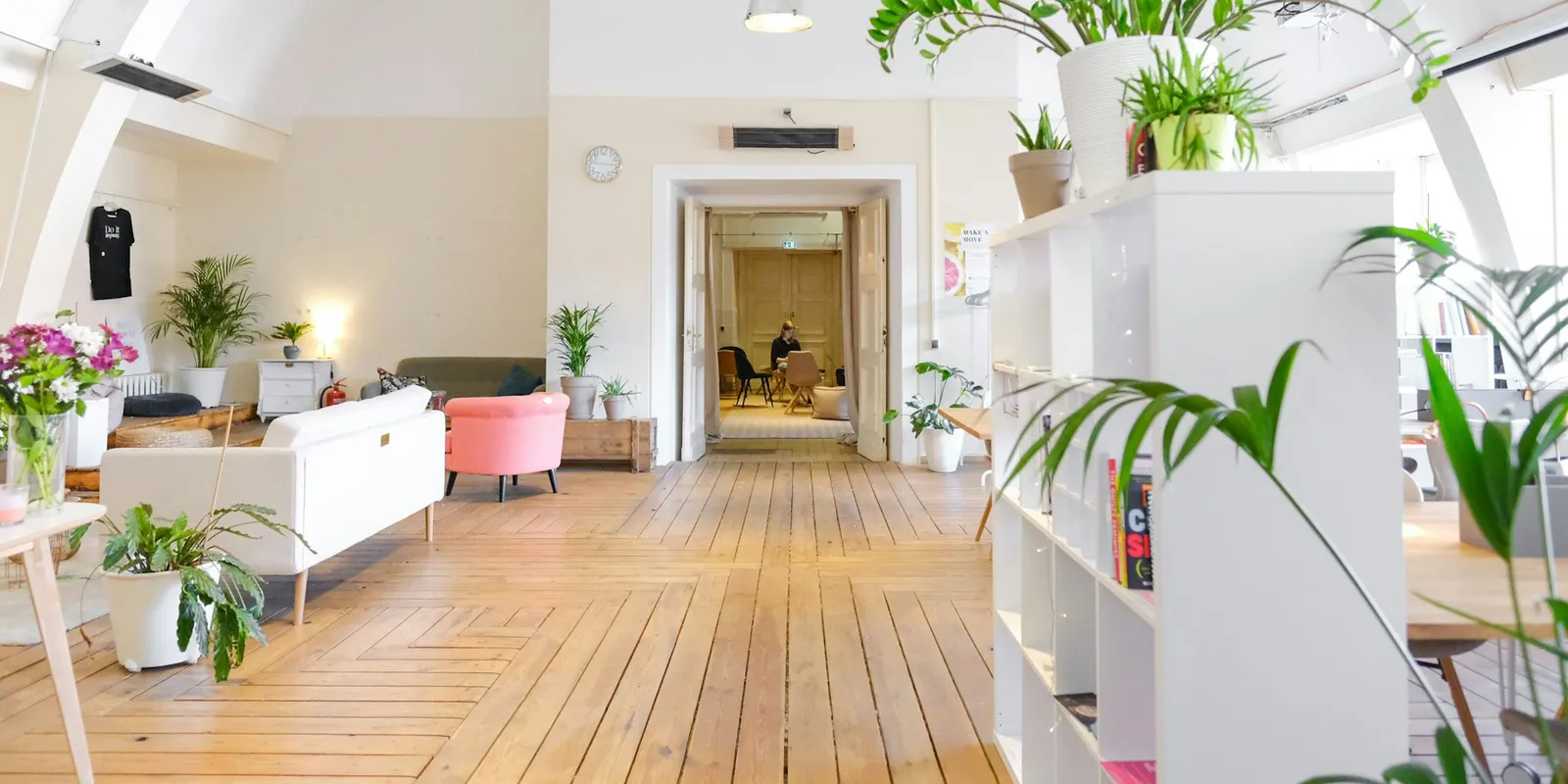
When everything flipped! When the pandemic struck, everything we thought we knew about work flipped overnight. Now the question isn't where we work, but how work can fit the people doing it.
The real answer is more personal than any policy. The future of the office isn't a place. It's an arrangement that fits the work and the people doing it.
A new graduate may learn fastest sitting next to experienced colleagues. A parent may do their best work from home before the school run. A salesperson may need to be on the road most days. The traffic on Mombasa Road or the Kampala–Entebbe Expressway alone can cost some people three hours a day. Forcing the same routine on everyone ignores all of this.
The best office isn't the fanciest building. It's the setup where people can do their best work and still have a life.
The companies that thrive will be the ones that treat work as personal: built around real people, real lives and real results.
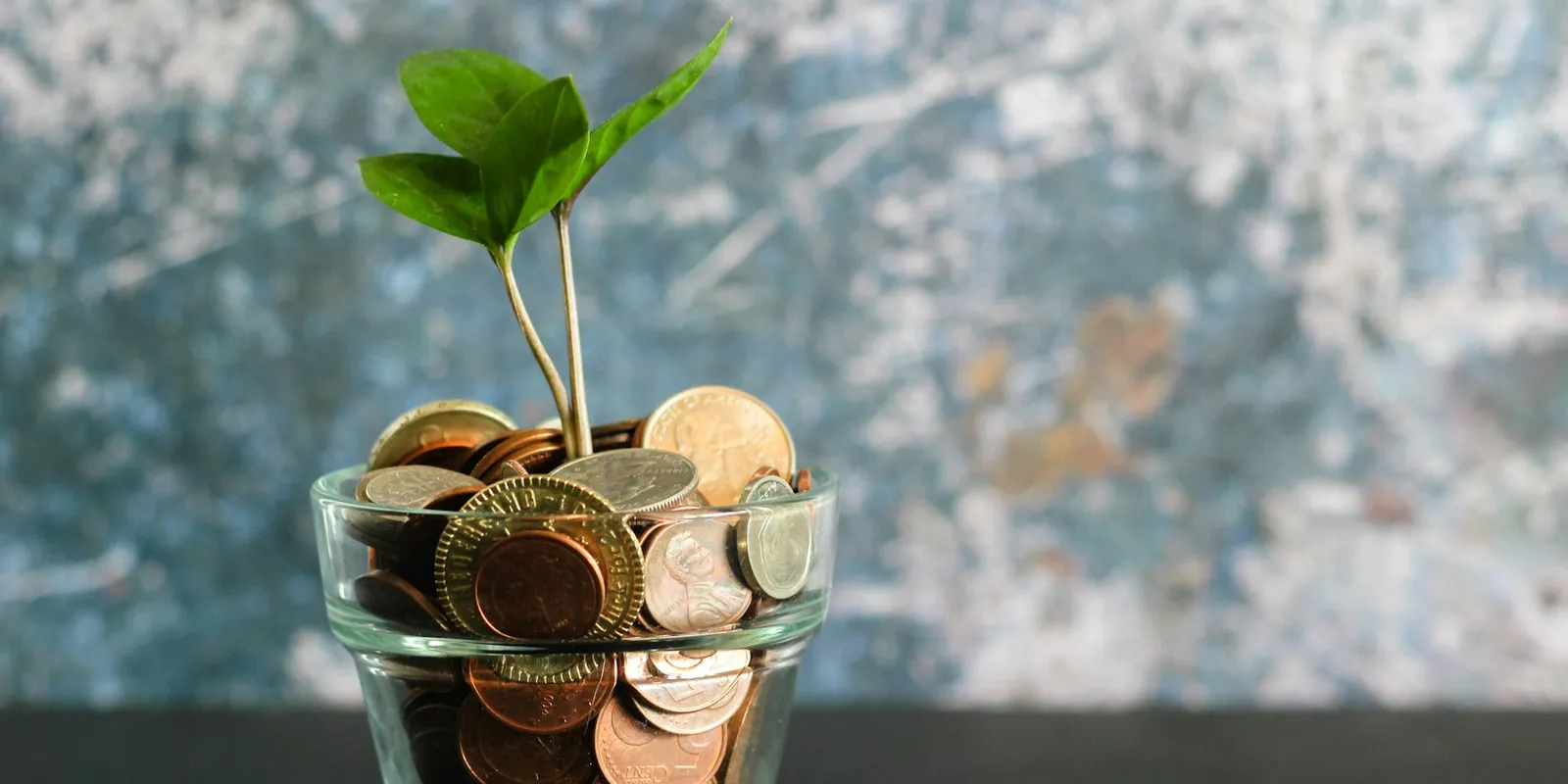
Personal Financial Management
We live in a world that celebrates “the bag”: the big deal, the flashy win, the overnight success. But real financial freedom is built quietly, one boring, consistent decision at a time.
3 min read1.1k+ views

Business Management
Every entrepreneur has faced it: that awkward moment before sharing your price. You hesitate, wonder if it's too much, and quietly lower it. Here's why that habit is holding your business back.
2 min read1.1k+ views
General
FindNowHub brings useful information, places, services and everyday discoveries together so you can spend less time searching and more time finding what matters.
1 min read0 views